top of page

Prompt Engineering Best Practices for Marketing Teams: Maximizing AI Output for Creative Success

  • cmo834
  • Oct 2, 2025
  • 11 min read

Table Of Contents


  • Understanding Prompt Engineering for Marketing

  • Why Marketing Teams Need Prompt Engineering Skills

  • Core Principles of Effective Prompt Engineering

  • The CRAFT Framework for Marketing Prompts

  • Common Prompt Engineering Mistakes in Marketing

  • Building a Prompt Library for Your Marketing Team

  • Advanced Techniques for Specific Marketing Applications

  • Implementing Prompt Engineering in Your Marketing Workflow

  • Measuring Success and Iterating Your Approach

  • Future of Prompt Engineering for Marketing Teams

The emergence of sophisticated AI tools has transformed how marketing teams operate, offering unprecedented opportunities to enhance creativity, streamline workflows, and deliver personalized content at scale. Yet, the difference between mediocre and exceptional AI-generated output often comes down to one critical skill: prompt engineering.

As marketing demands grow increasingly complex, the ability to effectively communicate with AI systems has become as valuable as traditional marketing expertise. Prompt engineering—the art and science of crafting inputs that generate optimal AI outputs—is no longer just a technical skill but a core marketing competency that can dramatically impact your team's efficiency and creative capacity.

In this comprehensive guide, we'll explore how marketing teams can master prompt engineering to transform their AI interactions from frustrating trial-and-error exercises into strategic, repeatable processes that deliver consistent results. From foundational principles to advanced techniques tailored specifically for marketing applications, you'll discover actionable strategies to elevate your team's prompt engineering capabilities and gain a significant competitive advantage in the AI-enhanced marketing landscape.

Understanding Prompt Engineering for Marketing


Prompt engineering is the strategic formulation of inputs to AI systems that guides them toward producing desired outputs. For marketing teams, this means crafting instructions that help AI tools generate content, ideas, and insights that align with brand guidelines, campaign objectives, and audience preferences.

At its core, prompt engineering bridges the gap between human intention and machine interpretation. While AI systems have become remarkably powerful, they lack the intuitive understanding of context, nuance, and marketing objectives that human professionals possess. Effective prompt engineering translates marketing goals into language that AI can interpret accurately.

Prompt engineering intersects with Design Thinking by placing human needs at the center of technology interactions. Just as design thinking begins with empathy for users, effective prompt engineering requires understanding both the AI's capabilities and the marketing team's objectives. This Human-Centred Innovation approach ensures that AI tools serve as genuine extensions of marketing creativity rather than technological constraints.

Why Marketing Teams Need Prompt Engineering Skills


The integration of AI into marketing workflows has shifted from optional to essential. Teams that master prompt engineering gain several distinct advantages:

Enhanced Creative Capacity: AI can generate variations, expand on concepts, and explore creative territories that might otherwise remain undiscovered. Well-engineered prompts unlock this potential without sacrificing brand consistency.

Accelerated Content Production: Marketing teams face constant pressure to produce more content across more channels. Prompt engineering skills help scale content creation while maintaining quality standards.

Improved Resource Allocation: By automating routine content generation through effective prompts, marketers can redirect human creativity toward higher-value strategic activities.

Consistent Brand Voice: Properly engineered prompts ensure AI-generated content maintains consistent tone, messaging, and brand identity across all outputs.

Competitive Differentiation: As AI tools become ubiquitous, the competitive advantage shifts to those who can use these tools most effectively. Superior prompt engineering creates superior results that stand out in crowded markets.

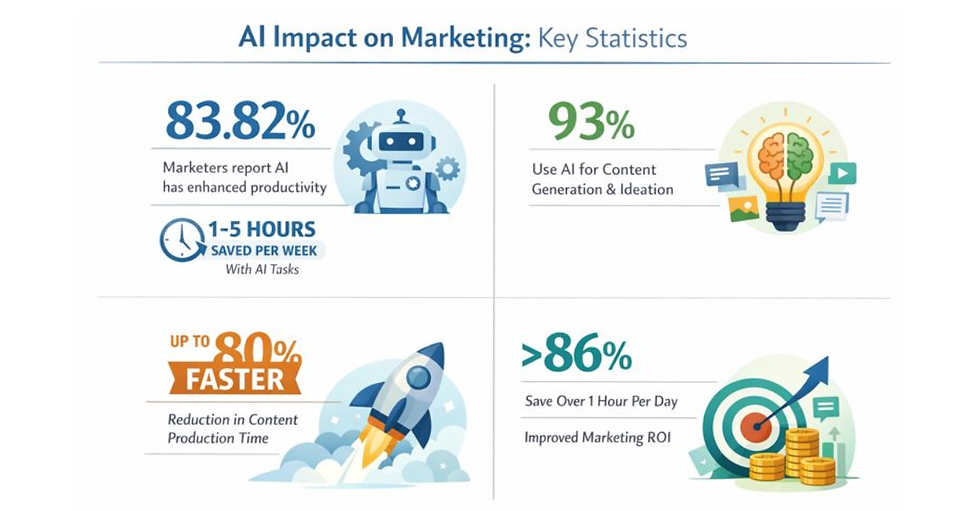
According to a recent study, marketing teams that implement structured prompt engineering approaches report up to 40% faster content creation cycles and 35% higher stakeholder satisfaction with AI-generated outputs. This performance gap between teams with and without prompt engineering expertise continues to widen as AI capabilities advance.

Core Principles of Effective Prompt Engineering


Successful prompt engineering for marketing applications rests on several foundational principles that align with the 5-Step Strategy Action Plan methodology:

Clarity and Specificity: Ambiguous prompts produce unpredictable results. Define exactly what you need in concrete terms, specifying format, length, tone, audience, and purpose. Instead of asking for "engaging social media content," request "three 280-character Twitter posts highlighting product sustainability features for environmentally conscious millennials, using a conversational tone with one question per post."

Context Provision: AI lacks the background knowledge that human team members share. Providing relevant context about your brand, campaign objectives, audience insights, and previous content helps the AI generate appropriate responses. This context becomes part of your Problem Framing process.

Structured Formatting: Breaking complex prompts into logical sections helps AI process information more effectively. Use clear section headings, numbered instructions, and explicit indicators of priority. This structure mirrors effective Business Strategy documentation, ensuring comprehensive understanding.

Iterative Refinement: Treat prompt engineering as an ongoing process of improvement rather than a one-time task. Analyze AI outputs, identify gaps or misalignments, and refine your prompts accordingly. This embodies the continuous improvement ethos of Innovation Action Plan methodologies.

Role and Perspective Assignment: Instructing the AI to adopt specific marketing roles ("Act as a social media manager specializing in B2B technology") helps frame its responses appropriately. This principle draws from effective Ideation techniques where perspective shifts generate new insights.

By integrating these principles, marketing teams create a systematic approach to prompt engineering that produces consistently valuable outputs while reducing the trial-and-error typically associated with AI interactions.

The CRAFT Framework for Marketing Prompts


To implement prompt engineering best practices in a systematic way, marketing teams can adopt the CRAFT framework—a structured approach designed specifically for marketing applications:

C - Context and Constraints: Begin by establishing relevant background information and defining any limitations or requirements. This includes brand guidelines, campaign objectives, target audience characteristics, technical constraints, and compliance considerations.

Example: "We are a sustainable fashion brand targeting professional women aged 30-45. Our brand voice is sophisticated but approachable. The content must comply with ethical advertising standards and include our sustainability commitment."

R - Role Assignment: Define the perspective the AI should adopt when generating content. This creates a consistent voice and approach aligned with marketing objectives.

Example: "Approach this task as an experienced fashion copywriter who specializes in sustainable luxury brands and understands how to communicate complex sustainability credentials in an engaging way."

A - Action Instructions: Provide clear, specific instructions about what you want the AI to create. Use precise verbs and explicit formatting requirements.

Example: "Create five product description variations for our recycled cashmere sweater. Each description should be 50-75 words, highlight different sustainable features, and include a clear value proposition."

F - Format Specification: Detail exactly how the output should be structured. This includes length, organization, section headings, and any required elements.

Example: "Format each description with a compelling headline, three bullet points of features, and a concluding sentence about our sustainability commitment. Include space for a 'Shop Now' call to action."

T - Tone and Style Guidance: Articulate the desired emotional impact and linguistic characteristics the content should embody. Reference existing content as examples when possible.

Example: "Maintain an elegant, informative tone that balances luxury positioning with environmental consciousness. Avoid technical jargon but include specific sustainability credentials. Reference our 'Winter Collection' campaign for style consistency."

The CRAFT framework operationalizes the AI Strategy Alignment principles by ensuring AI outputs directly support marketing objectives rather than simply generating generic content. When implemented consistently across a marketing team, it creates a shared language for prompt engineering that improves collaboration and knowledge transfer.

Common Prompt Engineering Mistakes in Marketing


Even experienced marketers can fall into several common pitfalls when crafting prompts for AI systems:

Vague Objectives: Requesting "creative content" without specific parameters virtually guarantees outputs that miss the mark. Marketing prompts should always include concrete goals and explicit success criteria.

Overlooking Brand Constraints: Failing to incorporate brand voice, messaging pillars, and visual identity guidelines leads to content that requires extensive reworking to align with brand standards.

Technical Tunnel Vision: Focusing exclusively on technical aspects of the prompt while neglecting strategic marketing considerations produces technically correct but strategically irrelevant outputs.

Prompt Overloading: Attempting to accomplish too many objectives in a single prompt creates confusion and dilutes results. Complex marketing needs should be broken into modular prompts with clear individual purposes.

Neglecting Audience Context: Omitting detailed audience information results in generic content that fails to resonate with specific target segments. Effective marketing prompts always specify who the content is for and why it matters to them.

Static Prompt Approaches: Treating prompts as fixed formulas rather than evolving tools prevents teams from incorporating learnings and adapting to changing AI capabilities.

Recognizing these pitfalls is the first step toward developing more sophisticated prompt engineering practices. Each mistake presents an opportunity to refine your approach and move toward a more strategic implementation of AI in your marketing processes.

Building a Prompt Library for Your Marketing Team


A structured prompt library serves as an invaluable asset for marketing teams, creating institutional knowledge that enhances consistency and efficiency. This approach transforms prompt engineering from an individual skill to a team capability through systematic documentation and organization.

The creation of a prompt library aligns with the Prototype methodology, where templates are tested, refined, and standardized for broader application. Key components of an effective marketing prompt library include:

Categorized Prompt Templates: Organize proven prompts by marketing function (social media, email marketing, ad copy, blog content) and content type (persuasive, informational, narrative). This categorization facilitates quick access when similar needs arise.


Performance Annotations: Document the effectiveness of different prompts, including team feedback, client responses, and quantitative metrics when available. These annotations create a continuous improvement cycle.

Contextual Guidelines: Provide guidance on when and how to adapt template prompts for specific situations, campaigns, or audience segments. This prevents rigid application of templates without appropriate customization.

Version Control: Maintain a system for tracking prompt evolution as AI capabilities change and team learning accumulates. This creates a historical record of prompt engineering development within your organization.

Accessibility Measures: Ensure the prompt library is easily accessible to all team members through shared documentation systems, ideally integrated with existing marketing workflow tools.

A well-maintained prompt library dramatically reduces the learning curve for new team members while standardizing output quality across the marketing organization. It transforms individual expertise into collective capability, allowing your entire team to benefit from prompt engineering best practices.

Advanced Techniques for Specific Marketing Applications


As marketing teams grow more sophisticated in their prompt engineering practices, they can implement advanced techniques tailored to specific marketing functions:

Audience Persona Incorporation: For targeted campaign content, develop detailed audience persona descriptions that can be modularly inserted into prompts. These rich persona descriptions help AI generate content that resonates with specific audience segments.

Example: "Generate social media content for {Persona: Tech-savvy sustainability advocate, aged 25-35, urban professional, prioritizes ethical consumption but sensitive to greenwashing, primarily uses Instagram and TikTok}."

Competitive Positioning Frameworks: Create structured formats for prompts that position content relative to competitors, highlighting differentiators while maintaining brand integrity.

Example: "Create product comparison content that highlights our sustainable manufacturing process as superior to Competitor X's without directly naming them or making unsubstantiated claims."

Multi-Stage Prompt Sequences: Break complex marketing deliverables into sequential prompts that build upon each other, with each stage focusing on a different aspect of the final output.

Example: - Stage 1: "Generate five conceptual approaches for our summer campaign focusing on sustainable materials." - Stage 2: "Expand on concept #3 with specific messaging pillars for each audience segment." - Stage 3: "Develop channel-specific adaptations of the messaging pillars for Instagram, email, and website."

A/B Testing Integration: Design paired prompts specifically for testing different approaches, with controlled variables that isolate specific elements for comparison.

Example: "Generate two versions of email subject lines: Version A emphasizing urgency and scarcity, Version B emphasizing sustainability benefits. Maintain consistent product information and offer details between versions."

Channel-Specific Optimization: Develop specialized prompt components that address the unique requirements and constraints of different marketing channels.

Example: "Adapt this product announcement for LinkedIn using a professional tone, focusing on industry relevance, and formatting appropriate for the platform's algorithm preferences."

These advanced techniques represent the integration of marketing strategy with AI capabilities, moving beyond basic prompt engineering toward a sophisticated Future Thinking approach that anticipates how AI and marketing will continue to converge.

Implementing Prompt Engineering in Your Marketing Workflow


Transforming prompt engineering from individual technique to organizational capability requires thoughtful integration into existing marketing workflows. This implementation process typically follows several stages:

Assessment and Readiness: Evaluate your team's current AI usage, prompt engineering knowledge, and specific marketing needs. Identify early adopters who can champion prompt engineering practices.

Education and Skill Development: Provide structured training on prompt engineering fundamentals, marketing-specific applications, and your chosen frameworks (such as CRAFT). Consider workshops that combine theoretical knowledge with hands-on practice.

Process Integration: Incorporate prompt engineering steps into content creation workflows, campaign development processes, and creative briefs. Define clear handoffs between human and AI contributions.

Tool Selection: Choose appropriate platforms for prompt management, collaboration, and integration with existing marketing technologies. This might include dedicated AI interfaces, shared documentation systems, or custom integrations.

Governance and Standards: Establish guidelines for prompt quality, approval processes for new prompt templates, and ethical boundaries for AI usage in marketing contexts.


Measurement Framework: Define metrics to track the impact of prompt engineering on marketing efficiency, content quality, and business outcomes. This creates accountability and demonstrates value.

Continuous Improvement Mechanisms: Schedule regular reviews of prompt effectiveness, share learnings across teams, and update practices based on evolving AI capabilities and marketing needs.

Organizations that successfully implement prompt engineering as a systematic capability report significant advantages in marketing agility, content consistency, and team productivity. The key is approaching implementation as a strategic initiative rather than a tactical skill—connecting prompt engineering directly to marketing objectives and measurable outcomes.

Measuring Success and Iterating Your Approach


Effective prompt engineering is ultimately measured by its impact on marketing results. Establishing clear metrics helps teams demonstrate value and continuously refine their approach:

Efficiency Metrics: Track time savings in content creation, revision cycles required, and resource allocation shifts from routine to strategic work.

Quality Indicators: Measure content consistency, brand alignment, error rates, and stakeholder approval ratings for AI-generated outputs.

Performance Outcomes: Connect prompt engineering practices to marketing performance metrics like engagement rates, conversion metrics, and campaign effectiveness.

Team Capability Development: Assess prompt engineering skill development across the team, knowledge sharing effectiveness, and prompt library utilization.

The data gathered through these measurements should drive an iterative improvement process:


  1. Analyze patterns in successful and unsuccessful prompts

  2. Identify specific components that consistently drive better outcomes

  3. Refine your prompt frameworks and templates based on these insights

  4. Test new approaches in controlled environments

  5. Scale successful innovations across the marketing organization

This measurement and iteration cycle transforms prompt engineering from a static set of practices to a dynamic capability that evolves with your marketing needs and AI advancements.

Future of Prompt Engineering for Marketing Teams


As AI capabilities continue to evolve, prompt engineering for marketing will undergo significant transformation. Forward-thinking marketing teams should prepare for several emerging trends:

Multimodal Prompt Integration: Future prompt engineering will extend beyond text to incorporate visual references, brand assets, and multimodal inputs that generate coordinated outputs across formats.

Adaptive AI Relationships: Marketing teams will develop long-term "relationships" with AI systems that learn team preferences, brand requirements, and historical context, requiring less explicit instruction over time.

Collaborative Human-AI Workflows: Prompts will increasingly focus on facilitating collaboration between human marketers and AI systems rather than simply delegating tasks to AI.

Specialized Marketing AI: Industry-specific AI models with deep marketing knowledge will emerge, changing prompt requirements from extensive context provision to more nuanced strategic guidance.

Ethical and Regulatory Considerations: Prompt engineering will incorporate growing requirements for transparency, attribution, and compliance with evolving AI regulations in marketing contexts.

Preparing for these future developments requires maintaining a learning orientation toward prompt engineering rather than treating it as a fixed skill set. Marketing teams that view prompt engineering as an evolving strategic capability rather than a tactical technique will be best positioned to leverage AI advancements as they emerge.

Prompt engineering has evolved from a specialized technical skill to an essential marketing capability that directly impacts creative output, team efficiency, and competitive advantage. For marketing teams navigating the rapidly expanding AI landscape, developing systematic prompt engineering practices offers a structured approach to harnessing AI's potential while maintaining brand integrity and strategic focus.

The frameworks and techniques outlined in this guide provide a foundation for transforming your team's approach to AI interactions. From the foundational CRAFT framework to advanced techniques for specific marketing applications, these practices can be adapted to your organization's unique needs and integrated into existing workflows.

As AI capabilities continue to advance, the differentiating factor will increasingly be how effectively marketing teams can communicate their needs, constraints, and creative vision to these systems. Organizations that invest in prompt engineering as a core competency will unlock greater value from their AI tools while maintaining the human creativity and strategic thinking that remain essential to marketing success.

By approaching prompt engineering as both an art and a science—combining creative insight with systematic methodology—marketing teams can establish a sustainable advantage in an increasingly AI-enhanced landscape. The future belongs to marketers who can speak the language of AI while remaining fluently human in their strategic thinking and creative vision.

Ready to transform your marketing team's AI capabilities? Emerge Creatives offers specialized training in AI-driven innovation and practical prompt engineering frameworks tailored to marketing professionals. Our WSQ-accredited courses provide both theoretical foundations and hands-on practice with real-world marketing applications. Contact us today to discuss how we can help your team master prompt engineering and gain a competitive edge in the AI-enhanced marketing landscape.

Powered by Hashmeta


Comments


CONTACT US ABOUT OUR COURSES

Emerge Creatives Group LLP (UEN T10LL0638E). All Rights Reserved. 

Your details were sent successfully!

bottom of page